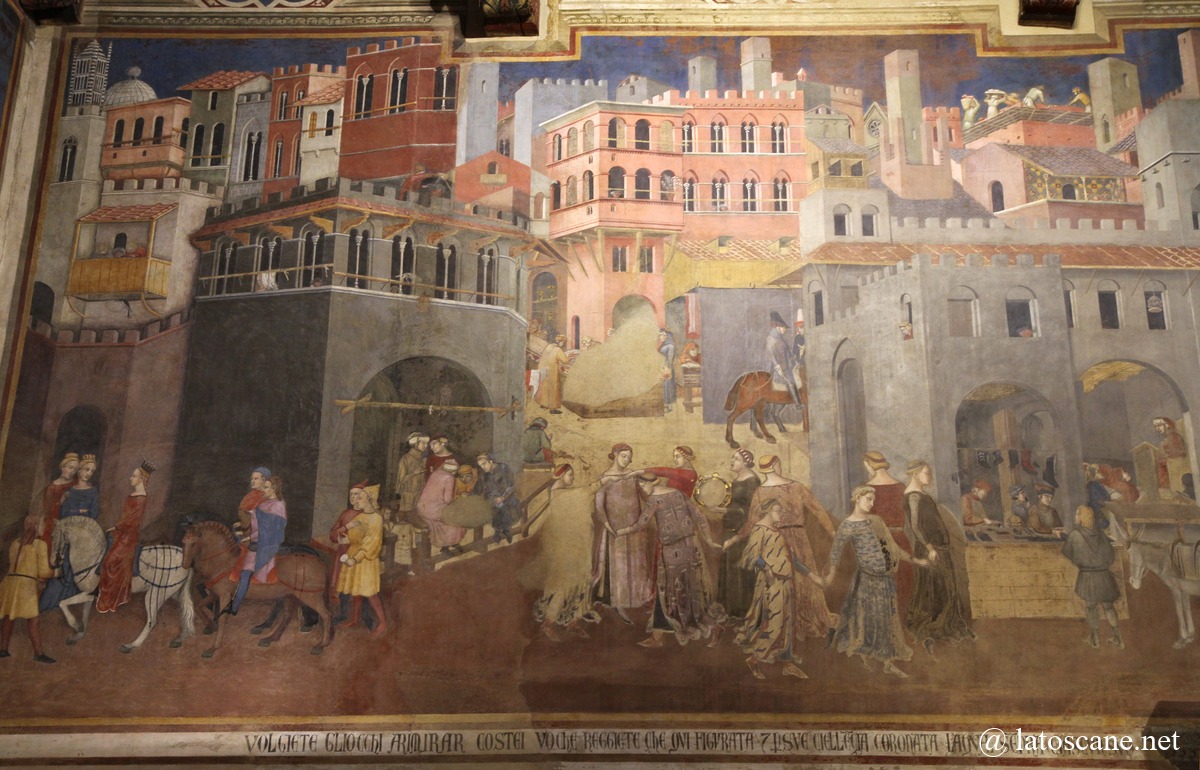

Book now accommodation in Siena, between hotel, rooms and apartments. Hundreds of choices with customer ratings
Author: Galgano
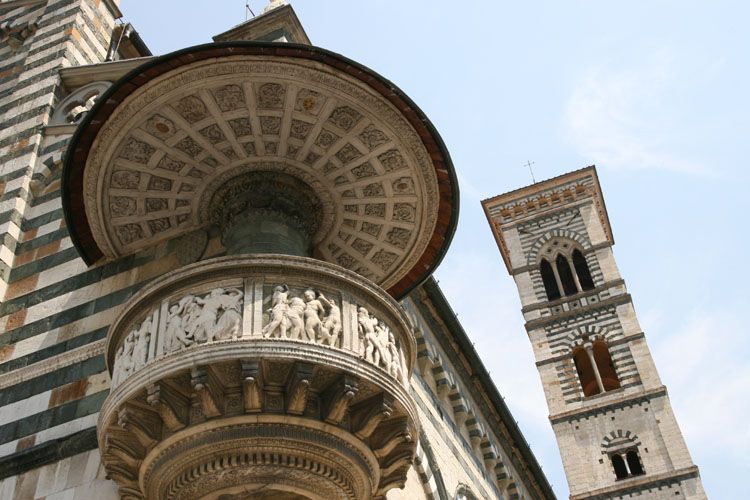
Prato is the second largest city in Tuscany with almost 200,000 inhabitants (in 2024), after Florence, and only […]
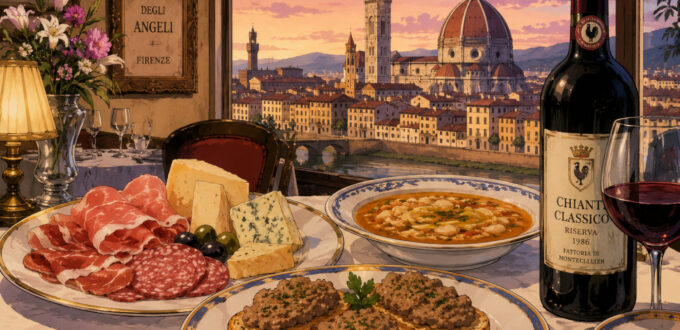
The Tuscan cuisine is based on simple, high-quality ingredients, reflecting a strong rural identity and a long agricultural […]
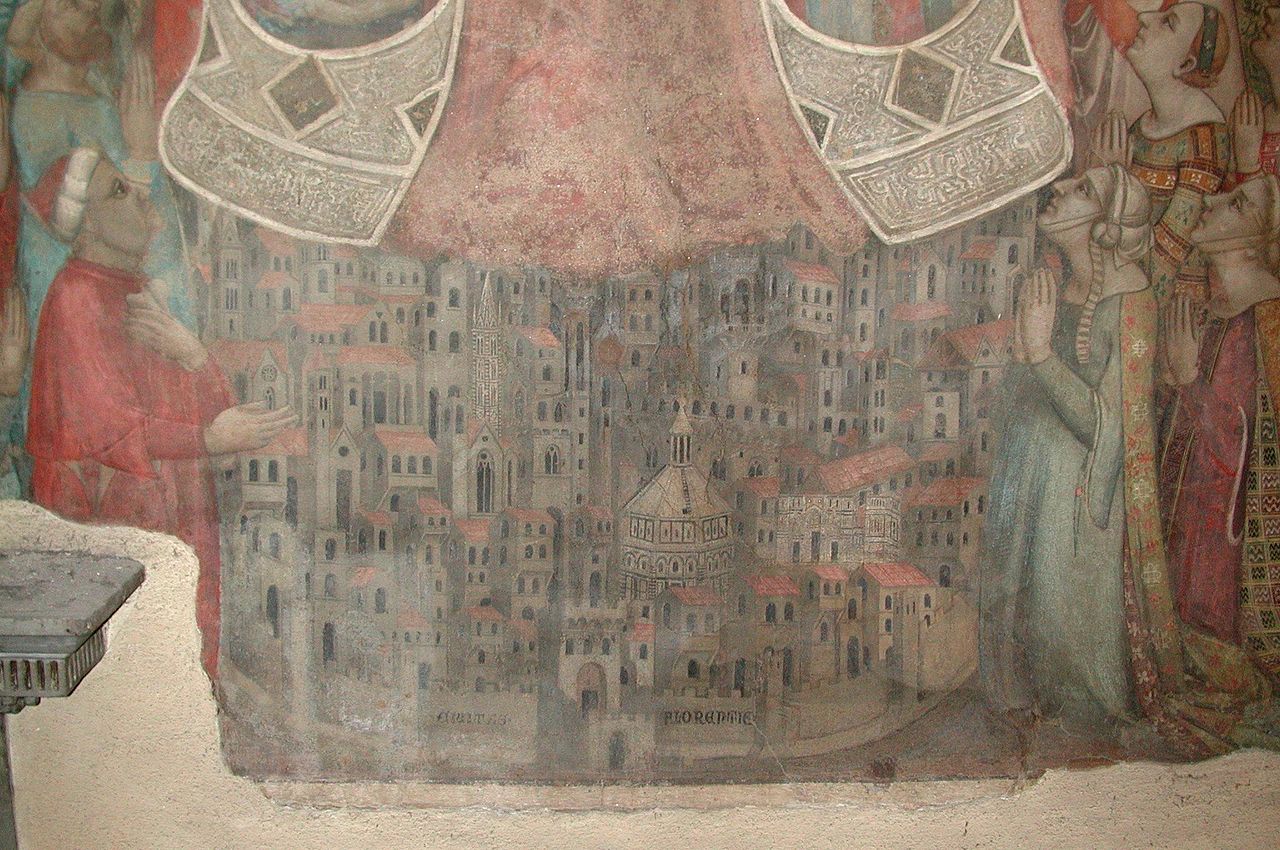
Retired Roman soldiers founded in 59 BCE a village named “Florentia”. From the 4th century CE, it became […]
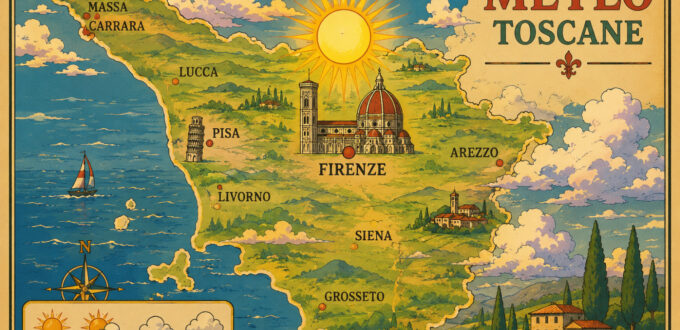
The climate of Florence, in Tuscany, is Mediterranean with marked continental influences. Summers are generally hot and dry, […]
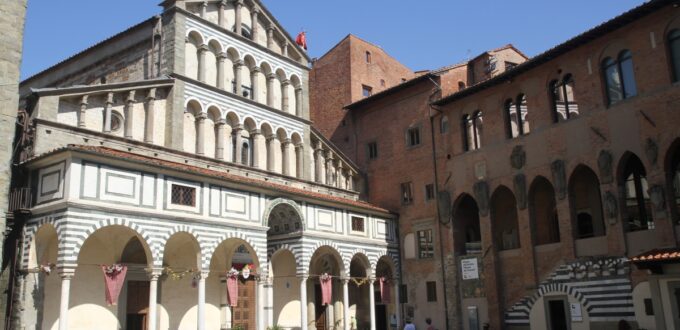
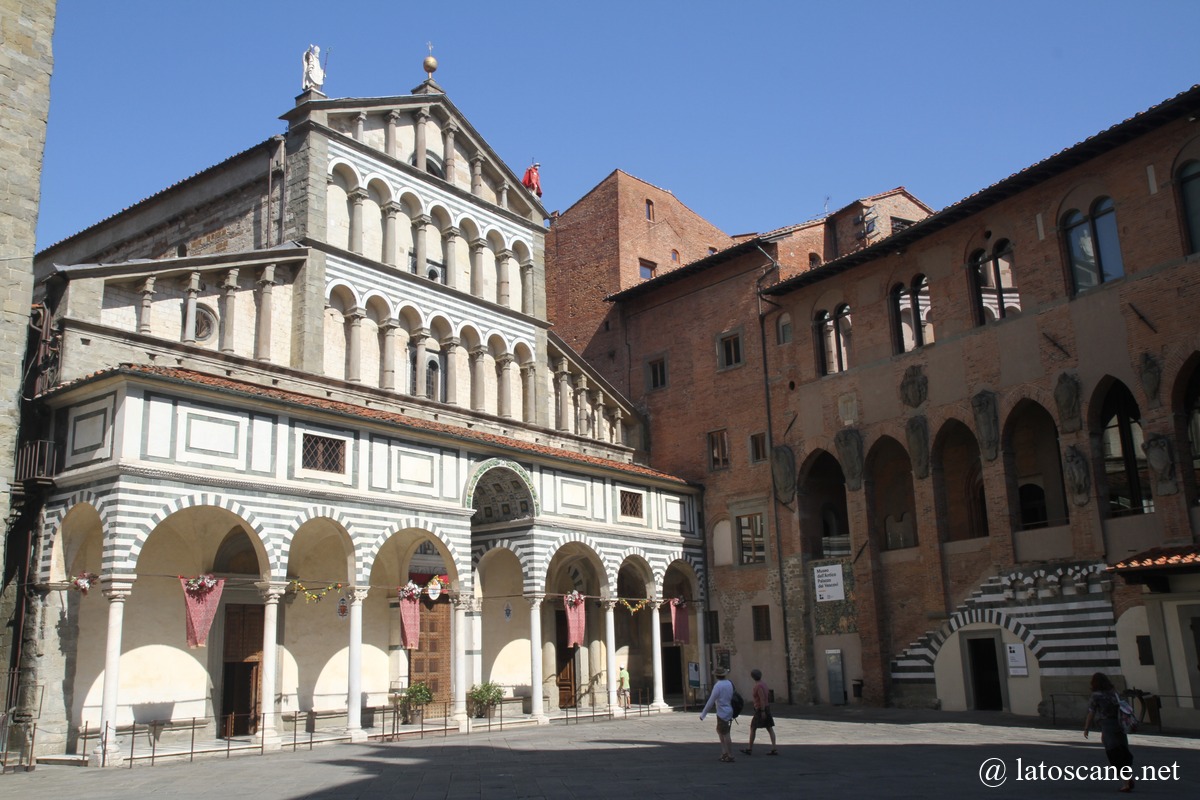
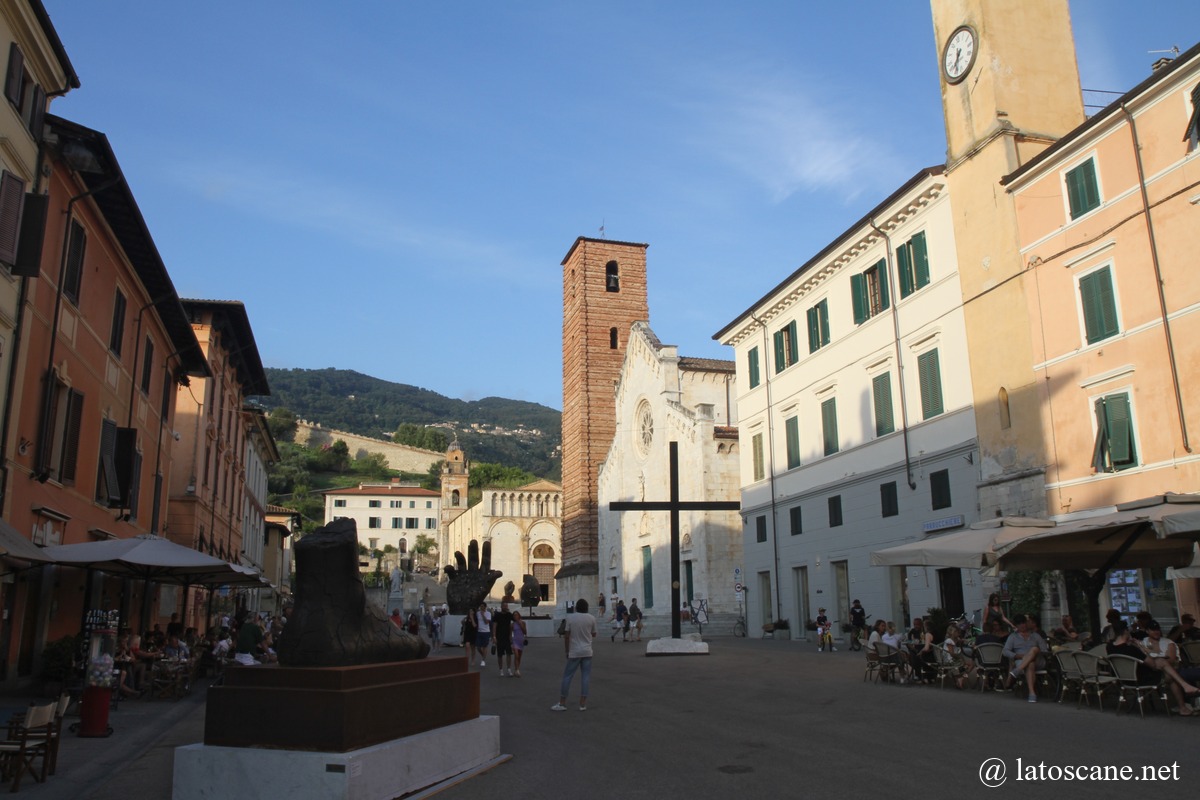
Pistoia is a small town of almost 90,000 inhabitants in northern Tuscany located between Florence and Lucca. In […]
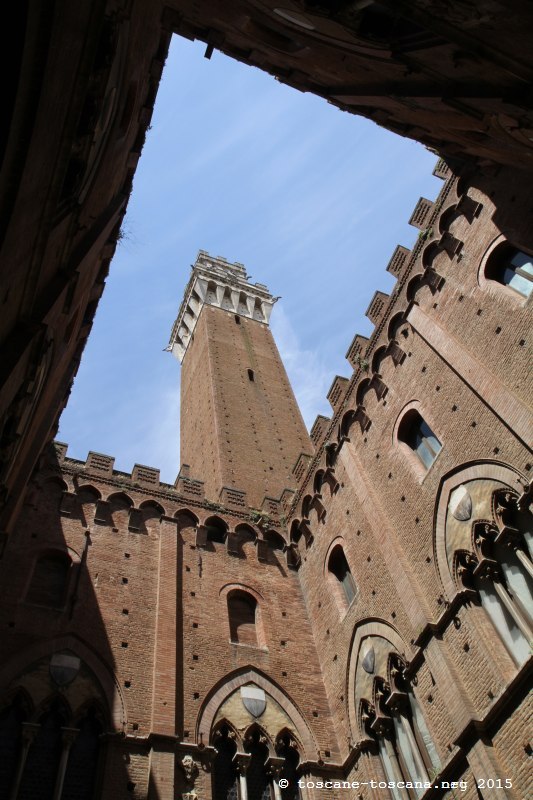
Palazzo Pubblico in Siena
Historic Monument |  Written by Galgano
The most imposing building in Piazza del Campo is the Palazzo Pubblico with the very large tower next […]
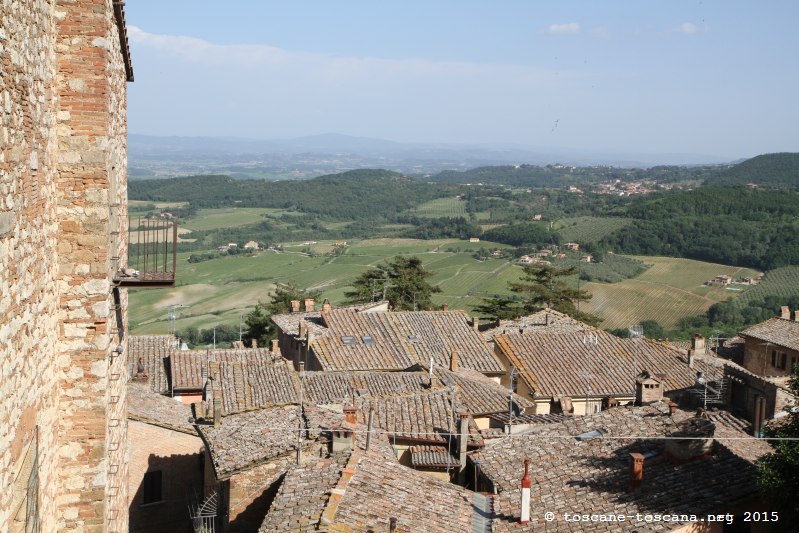
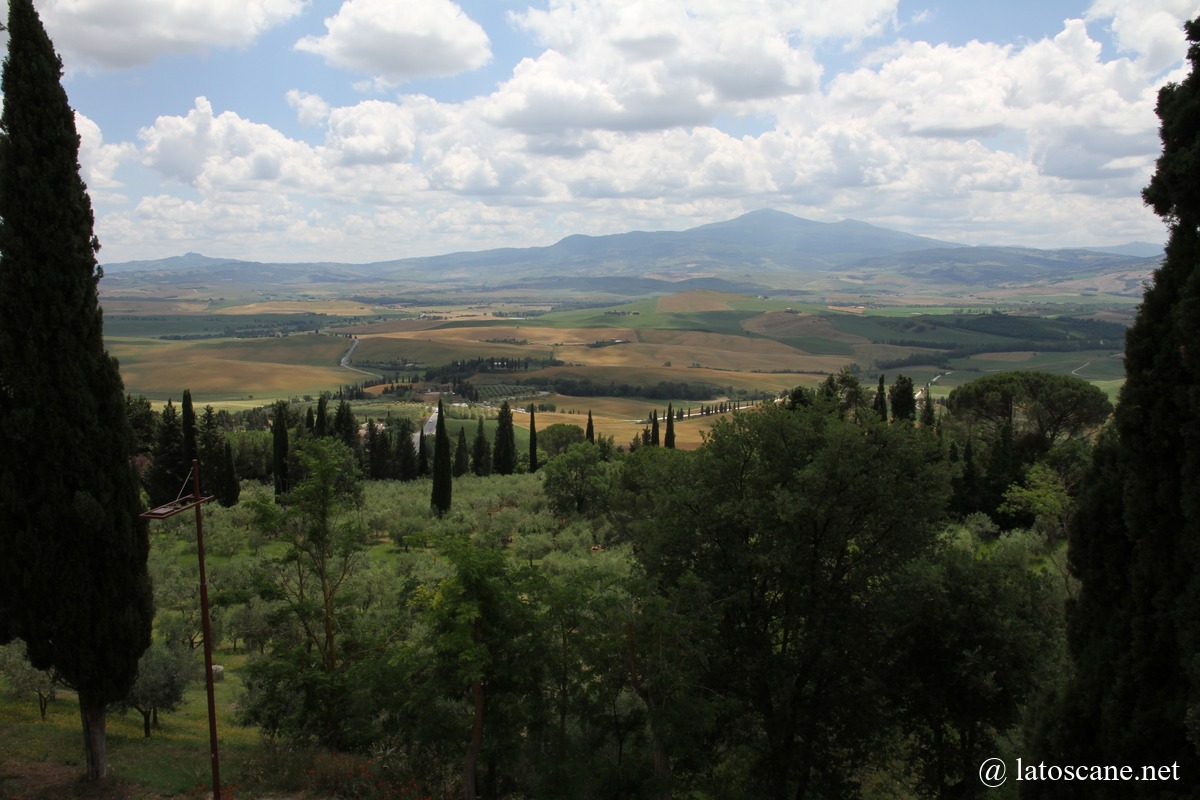
Montepulciano is a beautiful small town of almost 14,000 inhabitants, visited for its picturesque medieval center and by […]
Book now an accommodation in Pisa, among hundreds of solutions, from the hotel to the apartment or bed and breakfast and agritourism in the surroundings
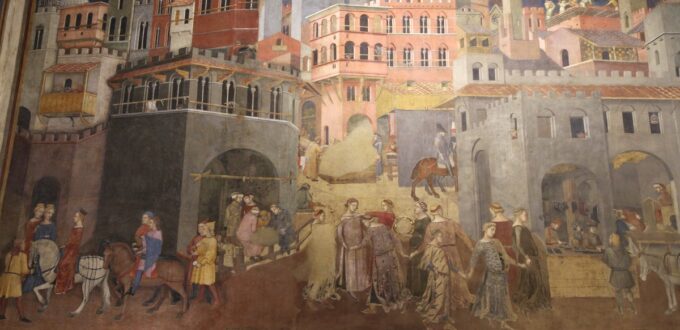
Civic Museum of Siena
Museum | Written by Galgano
The Siena Civic Museum, the Museo Civico, was built in the 1930s on the first and second floors […]
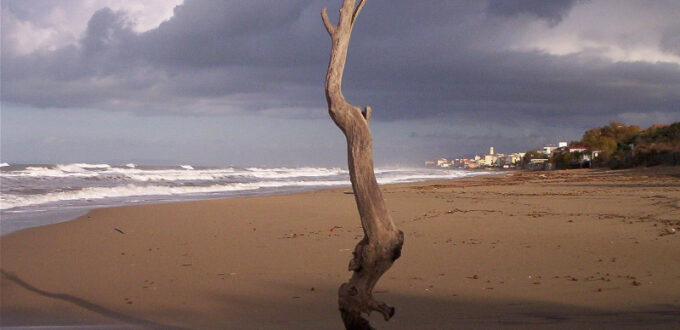
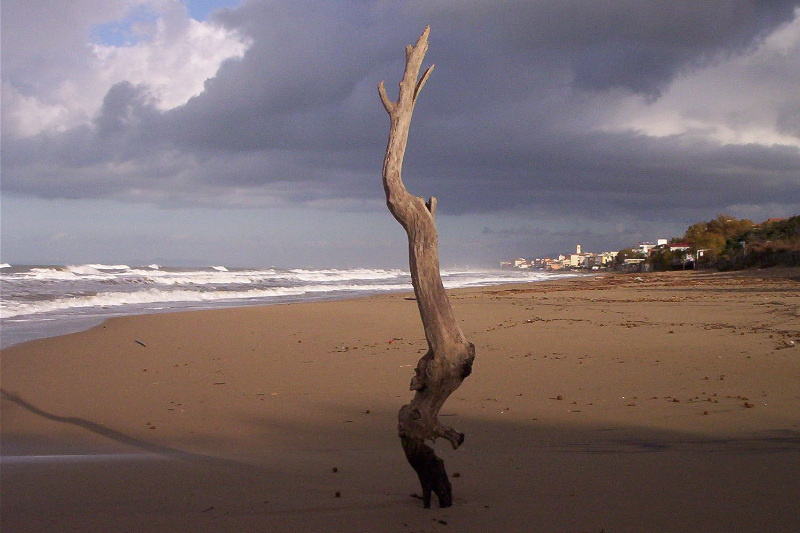
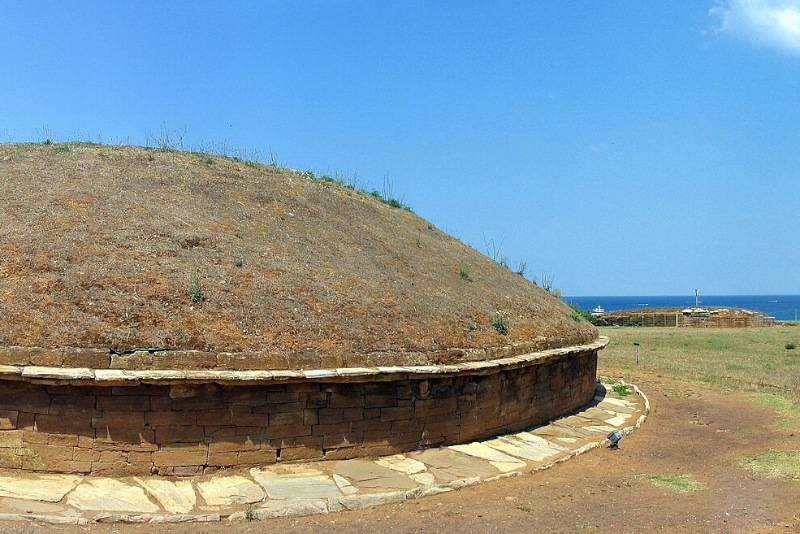
The Etruscan Coast is a part of the Tuscan coastline, north of the Maremma, from Livorno to the […]
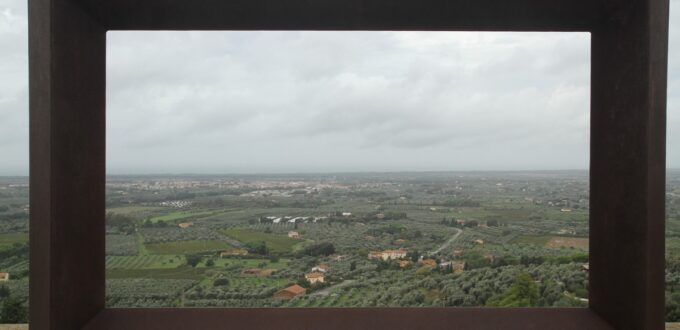
Val di Cornia
Tourist Region |  Written by Galgano
The Val di Cornia is a hilly area to the southwest of the Metalliferous Hills and south of the Cecina valley. Rather unknown to tourists, it is however a beautiful region with multiple charms, its varied coast to the wooded hills, or its small villages to the remarkable archaeological remains of Populonia or the mining park San Silvestro.
To the north lie the long sandy beaches and their pine forests, further south the Gulf of Baratti and the rocky promontory of Piombino.
The most charming villages in the hills are Suvereto and Campiglia Marittima, and beautiful vineyards are the source of good wines.
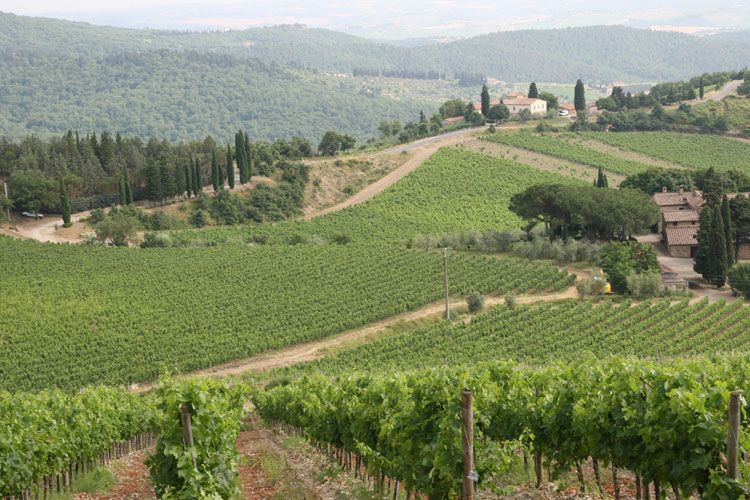
Presentation The Chianti region extends in Tuscany south of Florence and north of Siena, with its rolling hills […]
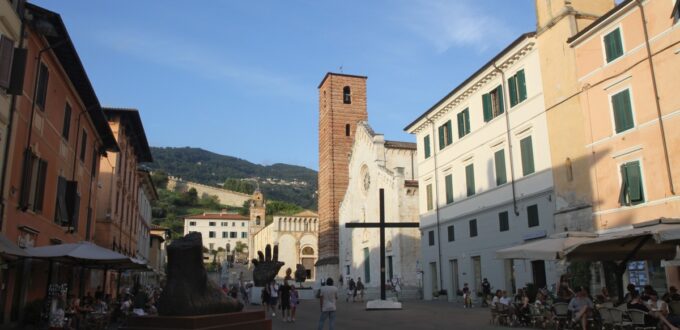
The Versilia is a strip of territory in northern Tuscany, bordering the coast for almost 20 km, between […]
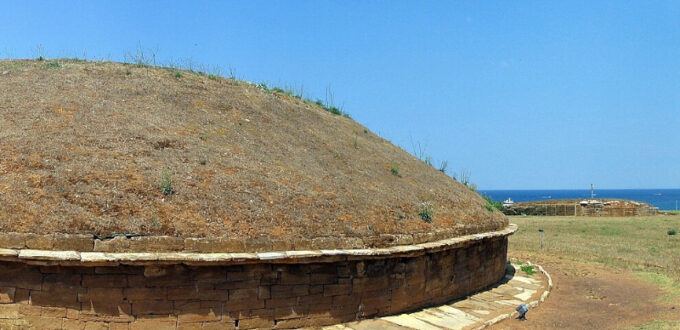
Etruscan Coast
Tourist Region | Written by Galgano
The Etruscan Coast is a part of the Tuscan coastline, north of the Maremma, from Livorno to the […]
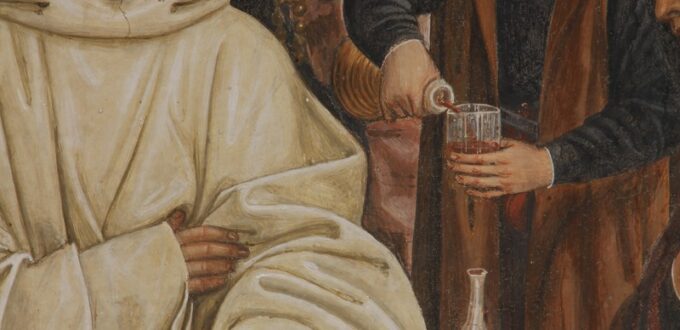
Abbey of Monte Oliveto Maggiore
Historic Monument | Written by Galgano
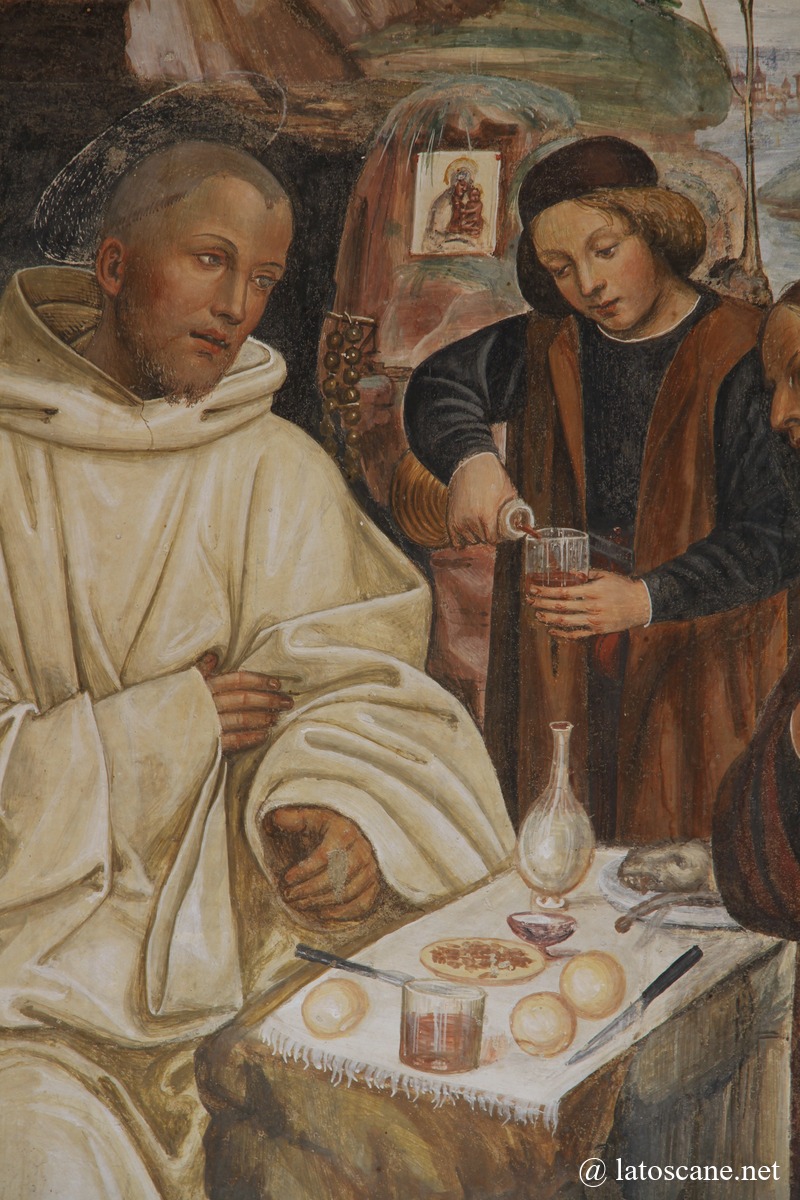
In the woods near Asciano, the Abbey of Monte Oliveto Maggiore is a rather unknown place in terms […]
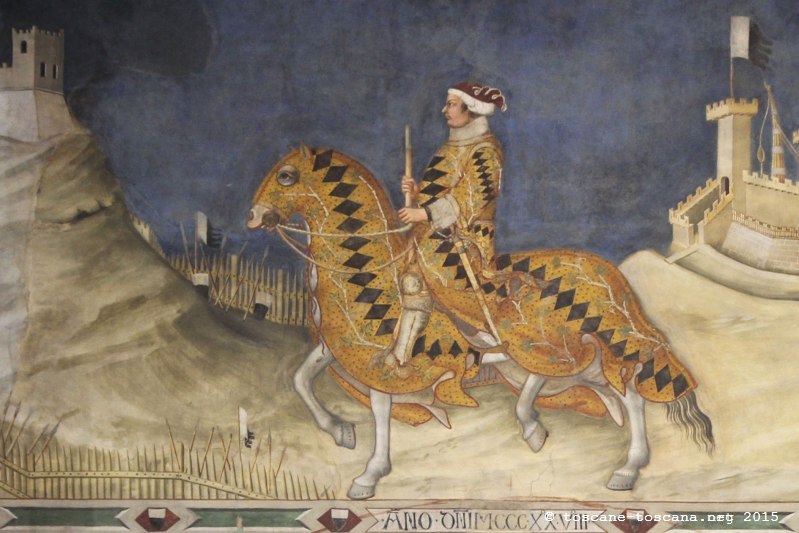
Although it seems that the Etruscans had occupied the territory of Siena, its foundation dates from the time […]
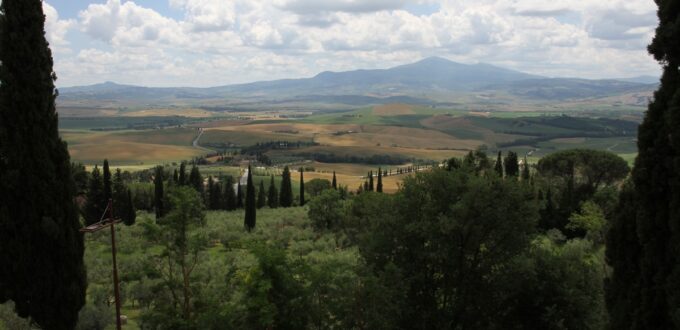
Mount Amiata
Tourist Region | Written by Galgano
The Mount Amiata is an extinct volcano in the Apennines, which culminates in southern Tuscany at 1,733 metres, […]
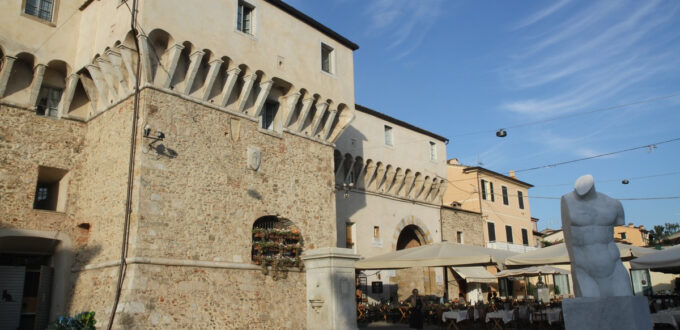
Versilia region
Tourist Region | Written by Galgano
The Versilia is a coastal portion of northern Tuscany, almost 20 km long, between its long sandy beaches […]
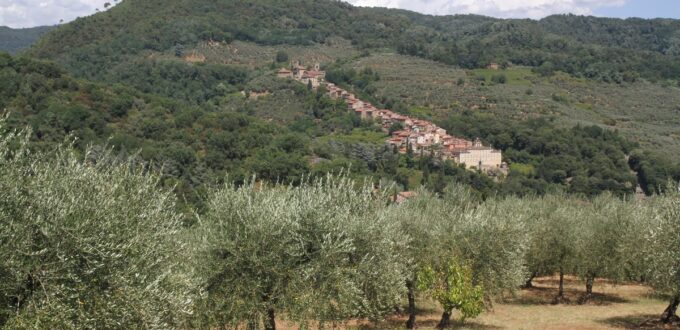
Between Lucca and Pistoia, the Val di Nievole is a gentle region full of small treasures and gardens, […]
Book an accommodation in Castiglion Fiorentino or close to Montecchio in Tuscany, among dozens of structures including hotels, apartments or agritourisms
Book accommodation in Monteriggioni in Tuscany and its surroundings, among hotels, rooms, agritourism or apartments
Book accommodation in Chiusi and its surroundings, among dozens of hotels, rooms, agritourism or apartments
Find accommodation available on the Monte Argentario in Tuscany, among hundreds of hotels, rooms, guest houses and apartments
Book now a hotel in Radicofani and in the Val d’Orcia in Tuscany, among hundreds of establishments including hotels, rooms, agritourism and apartments